Phase 0 of travel: when it all starts in a conversation
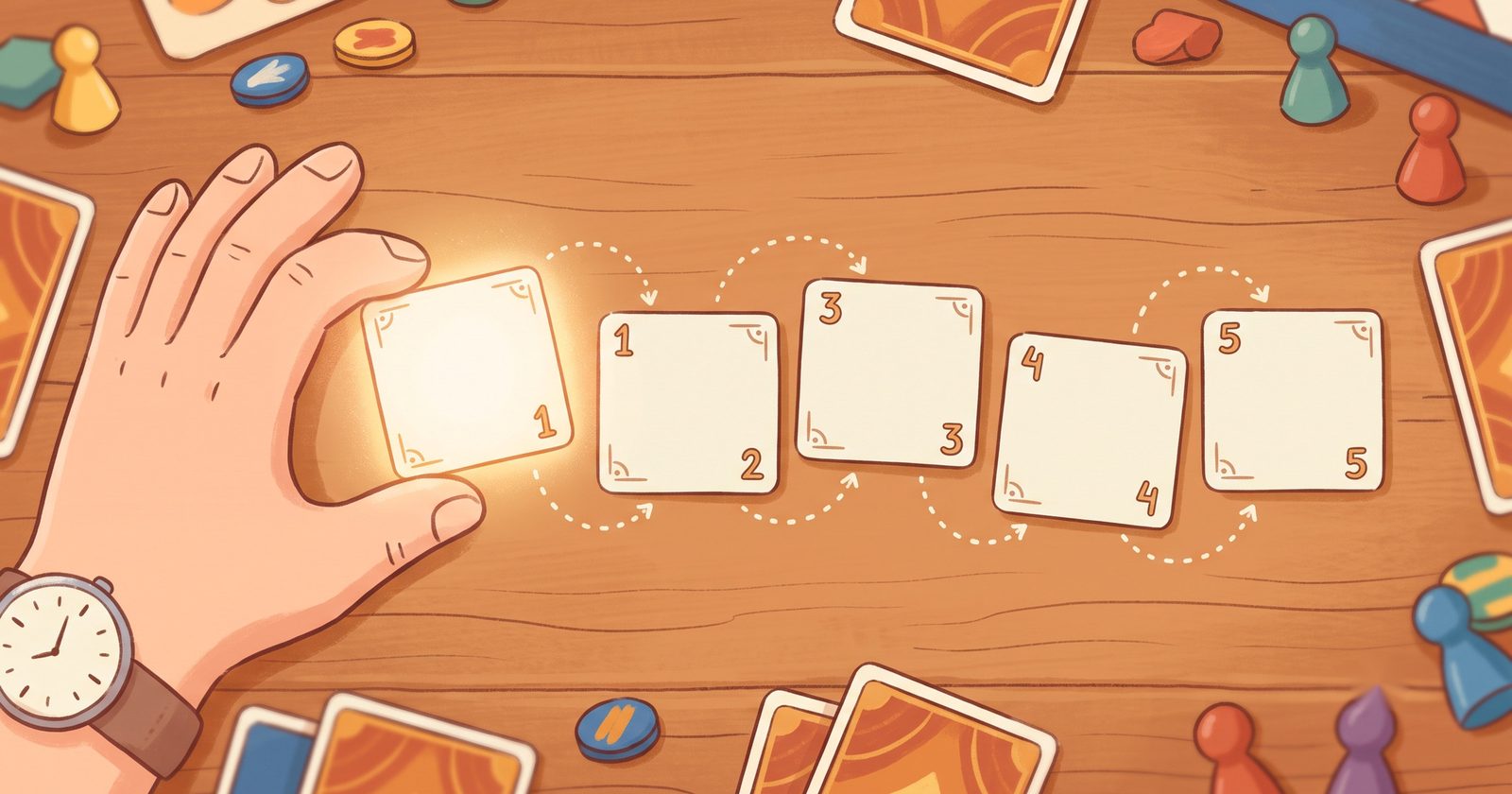
For two decades, the industry has worked with a five-phase mental map: the traveller dreams, plans, books, enjoys and shares. The map still holds. What has changed is the starting point: more and more trips don't begin in a search engine with a destination in mind, but in a conversation — "where can I go in October, with kids, for under 800 euros?" — or in a thirty-second video that plants a destination in someone's head. Let's call that moment before the classic funnel phase 0. In 2026 it stopped being marginal.
The data behind the shift
Three series document it. In the United States, extensive use of AI for trip planning jumped from 13% to 30% between 2024 and 2025 — a 124% leap (Skift Research survey, published by McKinsey in November 2025). In parallel, the use of traditional search engines for travel fell from 51% to 36% between late 2024 and the second half of 2025, while AI platforms more than doubled (Phocuswright, 2026); around 30% of exploratory-phase searches already happen in AI (Graphite.io, cited by Mirai, 2026). And phase 0 is not only conversational: social search on TikTok and Instagram is the other entrance.
The context explaining the appetite came from Maialen Carbajo, of Google Spain (2026): planning a trip can take more than a hundred hours. Any technology that compresses that finds users.
What changes in each phase (and what doesn't)
Dreaming. Before: generic searches and brochures. Now, inspiration is split between short video and the synthetic answer of an assistant proposing three destinations with arguments. Practical consequence: the AI answers from what it has read about you everywhere — reviews, mentions, guides — not from your latest ad. Phase 0 cannot be bought with bids; it is earned with citability.
Planning. The traveller arrives with the shortlist already made by the machine. The winning website is not the prettiest, but the one confirming with data what the assistant promised: opening times, policies, concrete prices. The pattern we documented in the trust gap still applies here: people plan with AI and verify by hand.
Booking. The phase that has changed least in practice — only a tiny fraction delegates payment to AI — but will change most on paper, with agentic booking taking its first real steps in 2026. Meanwhile, the old rule: the less friction, the fewer leaks.
Enjoying and sharing. The phone as concierge and the review as currency. With a new twist that closes the circle: what your customers publish — reviews, photos, forum comments — is exactly the raw material with which assistants will build the phase 0 of the next travellers. Asking for the review is no longer just reputation: it is feeding your own future visibility in AI.
The mistake of reading this as "just another channel"
The temptation is to treat phase 0 as a new box to allocate budget to. That is a category error: phase 0 is not a channel you hire, it is a filter you pass through. When the assistant proposes three options, the traveller rarely sees the fourth. Being on that shortlist or not is decided earlier — in accumulated reputation, third-party mentions, the clarity of your data — and cannot be fixed with a last-minute campaign.
That is why phase 0's levers are boring and slow: recent, well-managed reviews, presence in the sources assistants cite, content answering real questions with data, a machine-readable website. None delivers results by Tuesday. All of them compound.
The underlying reading
After fifteen years watching the traveller's starting point move — from the paper catalogue to the agency, from the agency to the search engine, from the search engine to social media — my conclusion is that each shift in where the trip begins has redistributed the business more than any other innovation. Whoever dominated the previous shop window always arrived late to the next one, because defending the old position seemed more urgent than occupying the new one while it was cheap.
Phase 0 is at that cheap moment today: most of the industry eyes it sideways while optimising the usual funnel. The data in this article says the shift is already happening, at double-digit annual growth. The five-phase map is not dead — but whoever keeps entering it at square two will find the game already started.

